
The Noma Guide to Fermentation, released in 2018, unveiled the secrets behind the restaurant’s innovative dishes, showcasing age-old preservation techniques.
This groundbreaking cookbook, authored by René Redzepi and David Zilber, details the processes that fueled Noma’s culinary revolution, impacting modern gastronomy;
It’s a comprehensive resource, offering insights into the world of fermentation, from lactic acid foundations to complex fungal cultures, inspiring chefs and home cooks alike.
The Impact of Noma on Modern Fermentation
Noma’s influence on the culinary world, particularly regarding fermentation, has been nothing short of seismic. Before its rise, fermentation was often relegated to traditional cuisines or niche food movements. However, René Redzepi and his team, especially David Zilber, elevated it to a central tenet of fine dining.
The restaurant’s closure in February 2017, though marking an era’s end, didn’t diminish its impact; instead, it amplified the curiosity surrounding their techniques. The release of The Noma Guide to Fermentation in 2018 served as a catalyst, democratizing knowledge previously held within the walls of a three-Michelin-star kitchen.
This guide sparked a global surge in home fermentation, inspiring countless individuals to explore kimchi, sauerkraut, and other cultured foods. It moved fermentation from a preservation method to a flavor-building technique, influencing restaurant trends and promoting sustainable food practices. The “godfather of fermentation,” Sandor Katz, acknowledges Noma’s significant contribution to the field.
David Zilber: The Fermentation Chef Behind Noma
David Zilber is the culinary force behind Noma’s groundbreaking fermentation lab, and co-author of The Noma Guide to Fermentation. He’s widely recognized as a pioneer in modern fermentation techniques, transforming the restaurant’s approach to flavor development and preservation.
Zilber’s expertise extends beyond traditional methods; he masterfully integrates scientific understanding with culinary artistry. He’s been lauded as the “high priest of fermentation” by the Guardian and “the godfather of fermentation” by the Telegraph, highlighting his profound impact on the culinary landscape.
Prior to Noma, Zilber’s background wasn’t traditionally rooted in fine dining, bringing a unique perspective to the kitchen. His work at Noma revealed that much of the restaurant’s magic stemmed from these age-old food preservation techniques, now shared with the world through his influential guide.
Core Principles of Fermentation at Noma
Noma’s fermentation philosophy centers on harnessing natural microbial activity, primarily lactic acid fermentation, and utilizing salt to control bacterial growth.
These core tenets underpin their innovative techniques, unlocking complex flavors and textures through controlled decomposition and preservation.
Lactic Acid Fermentation: The Foundation
Lactic acid fermentation stands as the cornerstone of Noma’s approach to preservation and flavor development, a supremely simple process yielding iconic ferments.
The Noma Guide to Fermentation emphasizes this method’s accessibility: simply adding salt to an ingredient initiates a transformation driven by naturally occurring lactic acid bacteria.
This bacterial activity inhibits spoilage organisms while producing lactic acid, creating a tangy, complex flavor profile and extending shelf life.
Zilber details how controlling salinity is crucial, as salt draws out moisture, creating a brine that fosters the growth of desirable bacteria while suppressing unwanted ones.
This foundational technique isn’t merely about preservation; it’s about unlocking hidden flavors and creating entirely new culinary possibilities, a key element of Noma’s success.
Understanding the nuances of lactic acid fermentation allows for experimentation and the creation of unique, flavorful ingredients.
The Role of Salt in Fermentation Processes
Salt plays a pivotal, multifaceted role in fermentation, extending far beyond simple seasoning, as detailed within the Noma Guide to Fermentation.
Primarily, salt acts as a selective agent, inhibiting the growth of undesirable bacteria and molds that could lead to spoilage, while allowing lactic acid bacteria to thrive.
This control is achieved by drawing moisture from the fermenting ingredient, creating a hypertonic environment unfavorable to many spoilage organisms.
Furthermore, salt contributes to texture, firming vegetables and creating a more pleasant mouthfeel in finished ferments like kimchi and sauerkraut.
The guide stresses precise salinity levels, as too little salt risks unwanted microbial growth, while too much can inhibit fermentation altogether.
Mastering salt’s influence is therefore fundamental to successful fermentation, unlocking the potential for complex flavors and long-term preservation.
Essential Fermentation Techniques from the Guide
The Noma Guide to Fermentation expertly details crucial techniques, including brine fermentation, koji utilization, and vegetable fermentation, unlocking complex flavors and preservation methods.
Brine Fermentation: A Detailed Process
Brine fermentation, a cornerstone of Noma’s approach, is elegantly explained in the guide as a supremely simple process yielding iconic ferments. The method fundamentally involves adding salt to an ingredient and patiently awaiting the activity of lactic acid bacteria.
The guide emphasizes precise measurements; beginning with taring a scale with an empty crock or jar is crucial for accuracy. Vegetables are then carefully layered, ensuring complete submersion in the prepared brine – a solution of salt and water – to prevent undesirable mold growth.
Maintaining an anaerobic environment is paramount, often achieved using weights to keep vegetables below the brine’s surface. The Noma guide details varying salt concentrations depending on the vegetable, influencing both flavor and preservation. This technique, while seemingly basic, unlocks a spectrum of nuanced flavors and textures.
Dry Fermentation (Koji): Utilizing Fungal Cultures
Noma’s exploration of dry fermentation, particularly utilizing koji – a mold cultivated on grains – represents a significant leap in their culinary innovation. The guide meticulously details how Noma harnessed the power of fungal cultures to unlock unprecedented umami and complex flavors.
Unlike brine fermentation, koji relies on a controlled environment for the mold to thrive, breaking down starches and proteins. The guide stresses the importance of temperature and humidity control during the koji-making process, ensuring optimal fungal growth.
This technique isn’t limited to grains; Noma experimented with koji on various ingredients, transforming them into intensely flavorful pastes and seasonings. The resulting products, often used in small quantities, impart a depth of savoriness that elevates dishes to new heights, showcasing the transformative potential of fungal fermentation.
Vegetable Fermentation: Kimchi, Sauerkraut & Pickles
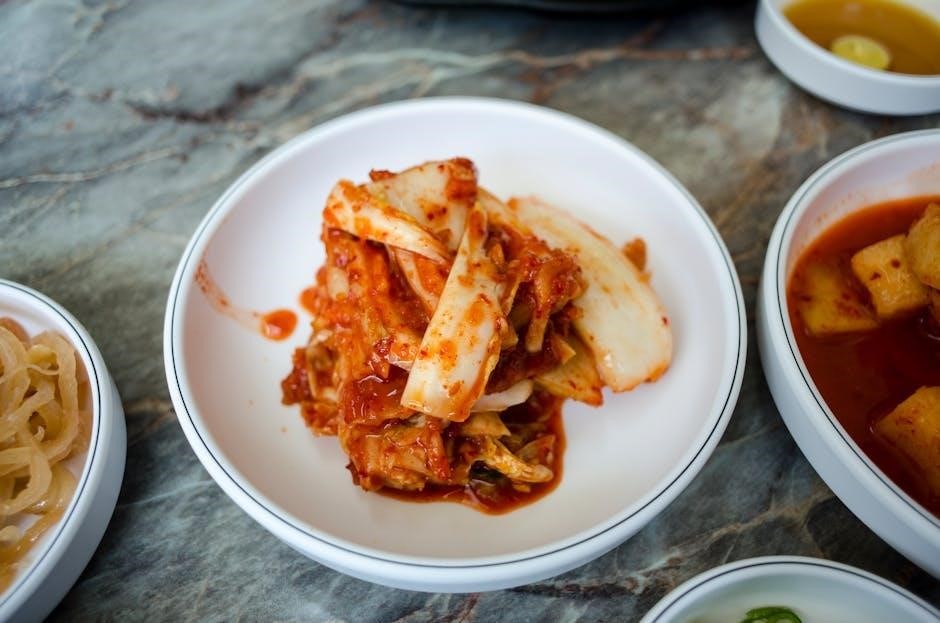
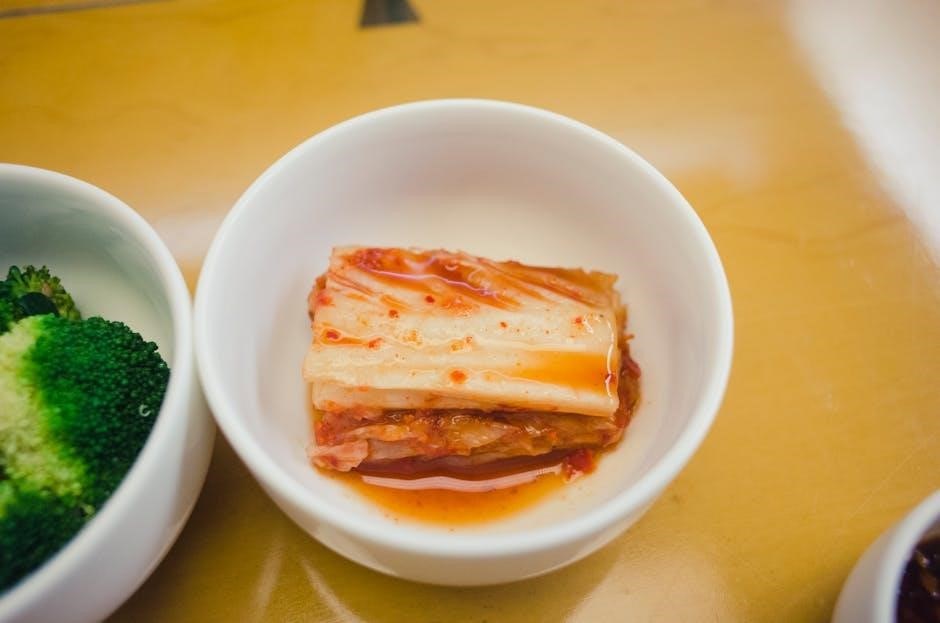
Noma’s approach to vegetable fermentation, as detailed in the guide, extends far beyond traditional methods, encompassing a deep understanding of microbial ecosystems. While staples like kimchi, sauerkraut, and various pickles form a foundation, the guide emphasizes experimentation with diverse vegetables and flavor profiles.
The core process involves creating a brine – a salt solution – to encourage lactic acid fermentation, inhibiting undesirable bacteria. The guide provides precise instructions on salt ratios and vegetable preparation, crucial for successful fermentation.
Noma didn’t simply replicate existing recipes; they explored unique vegetable combinations and fermentation durations, resulting in nuanced flavors and textures. This section highlights the importance of observation and adaptation, encouraging home fermenters to develop their own signature vegetable creations.
Building a Noma-Style Fermentation Lab
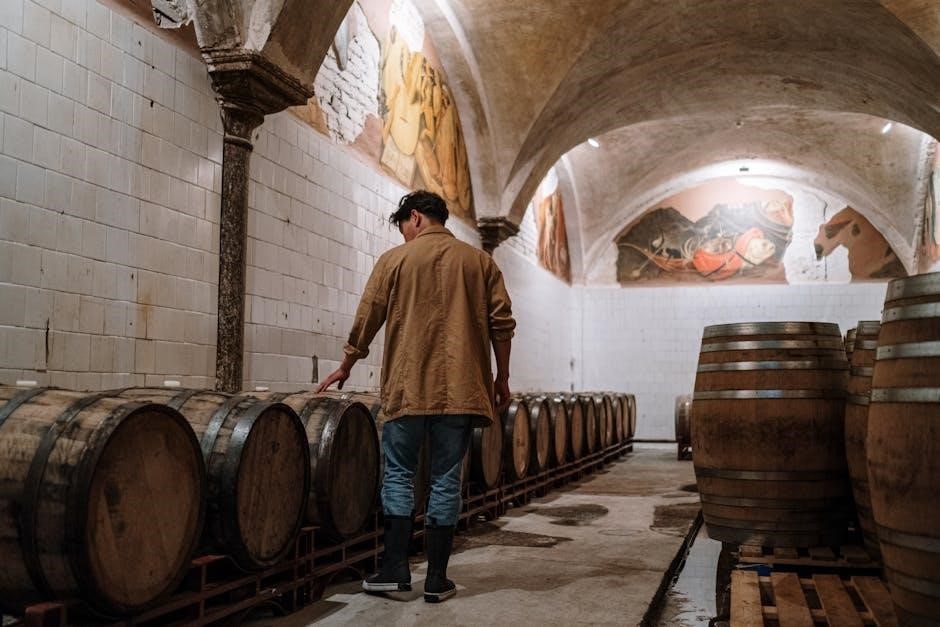
Noma’s fermentation lab, replicated at home, requires basic equipment like crocks, jars, scales, and pH meters for controlled environments and successful fermentation.
Maintaining precise temperature and humidity is vital, mirroring the restaurant’s meticulous approach to cultivating desired microbial activity and flavor development.
Equipment and Tools for Home Fermentation
Replicating Noma’s fermentation prowess at home doesn’t necessitate a professional-grade laboratory, but specific tools significantly enhance the process and ensure success. A foundational element is a collection of glass jars and crocks of varying sizes, crucial for brine fermentation and accommodating different ingredient volumes.
A reliable kitchen scale, capable of precise measurements, is indispensable for accurately calculating salt percentages – a cornerstone of successful fermentation. Beyond these basics, pH meters and strips offer valuable insights into acidity levels, aiding in monitoring and controlling the fermentation process.
Air locks are essential for preventing unwanted mold growth while allowing gases to escape during fermentation. Additionally, fermentation weights, such as glass or ceramic pebbles, keep vegetables submerged in brine, minimizing exposure to air. Finally, stainless steel bowls and utensils are preferred for their non-reactive properties, ensuring purity and preventing off-flavors.
Maintaining a Controlled Fermentation Environment
Successful fermentation, mirroring Noma’s meticulous approach, hinges on maintaining a stable and controlled environment. Temperature is paramount; most lactic acid fermentations thrive between 65-75°F (18-24°C). Consistent temperatures promote predictable fermentation rates and desirable flavor development. Avoiding drastic fluctuations is key.
Humidity plays a role, particularly in dry fermentations like koji, where maintaining adequate moisture levels is crucial for fungal growth. Air quality is also important; minimizing exposure to airborne contaminants reduces the risk of undesirable mold or bacterial growth.
Dedicated fermentation spaces, even small ones, can help isolate fermenting projects and maintain consistent conditions. Regular monitoring of temperature and visual inspection for any signs of spoilage are essential practices. A clean workspace and sanitized equipment further contribute to a safe and successful fermentation process.
Specific Fermentation Projects Inspired by Noma
Noma’s influence extends to unique projects like garums – umami-rich liquid ferments – alongside kombucha and innovative fruit/flower fermentations, pushing culinary boundaries.
The guide inspires experimentation with these techniques, allowing home cooks to recreate Noma’s complex flavors and explore fermentation’s vast potential.
Garums: Umami-Rich Liquid Ferments
Garums, deeply rooted in ancient food preservation, represent a cornerstone of Noma’s fermentation philosophy, offering an intense umami depth to dishes. The Noma Guide to Fermentation meticulously details the process of creating these liquid concentrates, moving beyond traditional fish-based versions.
Zilber and Redzepi demonstrate how to ferment a diverse range of ingredients – from vegetables and fruits to meats and even flowers – utilizing salt and time to unlock profound savory flavors. This technique involves submerging the ingredient in a high concentration of salt, initiating a breakdown of proteins into amino acids, the building blocks of umami.
The resulting liquid, strained after weeks or months, becomes a potent flavoring agent, capable of transforming simple dishes into complex culinary experiences. Noma’s approach emphasizes experimentation, encouraging cooks to explore different ingredients and fermentation durations to achieve unique garum profiles. These aren’t merely substitutes for soy sauce; they are entirely new flavor dimensions.
Kombucha and Other Cultured Beverages
The Noma Guide to Fermentation extends beyond solid ferments, delving into the realm of revitalizing and complex cultured beverages, with Kombucha taking center stage. Noma’s approach isn’t simply about replicating standard kombucha recipes; it’s about understanding the underlying principles of fermentation and applying them creatively.
The guide details how to cultivate robust SCOBYs (Symbiotic Culture Of Bacteria and Yeast) and control fermentation variables like temperature and tea type to achieve desired flavor profiles. Beyond kombucha, Noma explores other fermented drinks, including fruit-based kvasses and vinegars, showcasing the versatility of microbial activity.
These beverages aren’t merely thirst-quenchers; they are integral components of a holistic dining experience, offering palate cleansers and digestive aids. The book encourages experimentation with local ingredients and unique flavor combinations, pushing the boundaries of traditional fermented beverage making, and offering a new perspective.
Fruit and Flower Fermentations
The Noma Guide to Fermentation reveals a surprising dimension: the potential of fruits and flowers as substrates for complex and nuanced ferments. Moving beyond traditional vegetable ferments, the book explores how to harness the natural sugars and aromatic compounds present in these ingredients.
Fruit fermentations range from simple fruit vinegars to more elaborate lacto-fermented fruit pastes and preserves, offering unique flavor intensities. Flower fermentations, a particularly innovative aspect, involve utilizing floral aromas and subtle flavors through controlled microbial activity.
Noma’s chefs demonstrate techniques for preserving seasonal blooms and extracting their essence through fermentation, creating delicate and aromatic ingredients. These ferments aren’t just about preservation; they’re about transforming ingredients, adding layers of complexity, and showcasing nature’s bounty in unexpected ways, inspiring creativity.
Troubleshooting Common Fermentation Issues
The Noma Guide to Fermentation addresses potential pitfalls, like mold or undesirable bacteria, offering solutions for controlling speed and temperature during the process.
Understanding these challenges ensures successful ferments, maintaining safety and achieving desired flavors, vital for both novice and experienced fermenters.
Mold and Undesirable Bacteria
The Noma Guide to Fermentation emphasizes vigilance against unwanted microbial growth, recognizing that mold and undesirable bacteria can compromise a ferment’s safety and flavor profile.
The guide details identifying different types of mold – some are harmless, while others indicate spoilage – and stresses the importance of maintaining a clean working environment.
Proper sanitation of equipment, including jars, crocks, and utensils, is paramount, alongside ensuring ingredients are fully submerged in brine to inhibit mold growth.
Understanding the role of pH is crucial; a sufficiently acidic environment discourages the proliferation of harmful bacteria. The book explains how salt concentration and fermentation time contribute to acidity.
If mold appears, careful assessment is needed – a small amount of surface mold might be removable, but widespread contamination necessitates discarding the entire batch;
The guide also highlights the importance of recognizing off-odors or unusual textures as indicators of bacterial issues, advocating for caution and responsible disposal when in doubt.
Controlling Fermentation Speed and Temperature
The Noma Guide to Fermentation underscores that temperature is a primary regulator of fermentation speed and the resulting flavor development. Lower temperatures generally slow down fermentation, fostering more complex flavors, while warmer temperatures accelerate the process.
The guide advocates for monitoring temperature consistently, suggesting ideal ranges for different ferments – often between 64-72°F (18-22°C) – and utilizing tools like fermentation chambers or simply finding cool, stable locations.
Salt concentration also influences speed; higher salt levels inhibit microbial activity, slowing fermentation. Adjusting salt percentages allows for nuanced control over the process.
Furthermore, the guide explains how the type of culture used impacts speed; some bacteria are naturally more active than others.
Consistent temperature is vital; fluctuations can stress cultures and lead to off-flavors. Careful observation and adjustment are key to achieving predictable and desirable results.
Ultimately, mastering temperature and salt control empowers the fermenter to tailor the process to achieve specific flavor profiles and textures.
The Future of Fermentation in Culinary Arts
Noma’s influence has sparked restaurant trends embracing fermentation, promoting sustainable food practices and innovative flavor development through age-old techniques.
The guide’s revelations continue to inspire chefs globally, pushing culinary boundaries and redefining gastronomic experiences with fermented ingredients.
Noma’s Influence on Restaurant Trends
Noma’s groundbreaking approach to fermentation, meticulously documented in the guide, has profoundly reshaped contemporary restaurant trends worldwide. Before its release, fermentation was often relegated to traditional cuisines; however, Noma elevated it to a central, innovative culinary technique.
The restaurant’s success demonstrated the potential of utilizing forgotten preservation methods to create complex, umami-rich flavors, inspiring chefs to explore similar avenues. This led to a surge in restaurants incorporating fermented ingredients – from garums and koji to various vegetable ferments – into their menus.
Chefs now actively seek to understand the science behind fermentation, moving beyond simple pickling to explore nuanced flavor profiles and textures. The emphasis on foraging and utilizing local, seasonal ingredients, coupled with fermentation, has also fostered a greater appreciation for sustainable food practices within the industry, mirroring Noma’s ethos.
Consequently, a new wave of restaurants prioritizes ingredient-driven cuisine, showcasing the transformative power of fermentation and challenging conventional culinary norms.
Sustainable Food Practices and Fermentation
Noma’s dedication to sustainability is intrinsically linked to its embrace of fermentation, as highlighted in the guide. Fermentation represents a powerful tool for reducing food waste by preserving seasonal surpluses that might otherwise be discarded.
By extending the shelf life of ingredients, fermentation minimizes reliance on long-distance transportation and refrigeration, decreasing the carbon footprint associated with food production. Utilizing the entire ingredient – including often-discarded parts like vegetable scraps – aligns with a zero-waste philosophy.
Furthermore, fermentation often requires minimal energy input compared to other preservation methods, contributing to a more environmentally friendly food system. The guide champions foraging for wild ingredients, further promoting local sourcing and biodiversity.
This holistic approach demonstrates how fermentation isn’t merely a culinary technique but a cornerstone of responsible and sustainable food practices, influencing a growing movement within the culinary world.